What are considered visual arts?
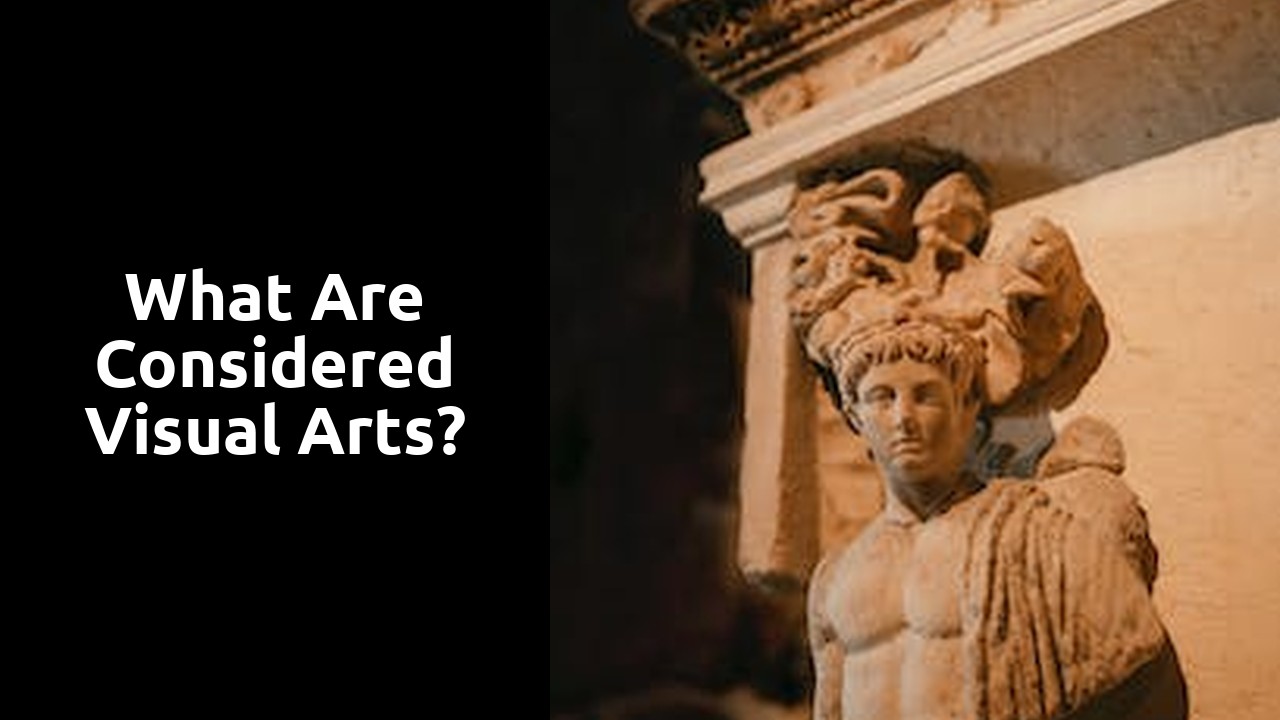
The Many Forms of Creative Expression
Creative expression is a fundamental aspect of human culture and existence. It allows individuals to communicate their thoughts, emotions, and experiences in unique and innovative ways. Artistic creation takes on many forms, encompassing visual arts, performing arts, literary arts, and more. Each form offers a distinct avenue for self-expression, highlighting the diversity and beauty of human creativity.
In the realm of visual arts, artists utilize various mediums such as painting, sculpture, photography, and mixed media to convey their ideas and evoke emotions. Through the use of colors, textures, and shapes, visual artists bring imagination to life, creating captivating and thought-provoking pieces. Whether it is a realistic portrait, an abstract composition, or a bold installation, the visual arts possess the power to captivate, inspire, and challenge viewers' perceptions. From classical masterpieces to contemporary installations, the world of visual arts offers an expansive and ever-evolving canvas for artists to express their unique perspectives and push the boundaries of creativity.
Exploring the World of Visual Arts
Visual arts encompass a vast array of creative expressions that stimulate our senses and captivate our imagination. From painting and sculpture to photography and digital art, there are countless mediums through which artists convey their thoughts, emotions, and perspectives. The world of visual arts is a dynamic and ever-evolving realm that spans across cultures and time periods, reflecting the diversity and richness of each era. Through their creations, artists not only invite us to appreciate their vision but also offer us glimpses into their unique interpretation of the world.
One of the remarkable aspects of exploring the world of visual arts is the sheer variety of techniques and styles employed by artists. Each brushstroke, line, or composition carries the artist's distinctive touch, conveying their personal voice. We can witness the meticulous attention to detail in a hyper-realistic painting, the raw emotions captured in an abstract piece, or the story unraveling within a Renaissance masterpiece. The visual arts invite us to embrace the beauty of diversity, encouraging us to expand our horizons and see the world through a different lens. Whether through the use of vibrant colors, stark contrasts, or unconventional materials, visual artists continually push the boundaries of creativity, inviting us to step into their imaginative realm.
Unveiling the Beauty of Artistic Creation
Artistic creation is a beautiful and captivating expression of the human imagination. Through various forms such as painting, sculpture, and photography, artists transport us to different worlds, allowing us to experience emotions and ideas in a unique and visually stunning way. The beauty of artistic creation lies in its ability to evoke a range of emotions, from joy and wonder to contemplation and reflection.
One of the most fascinating aspects of artistic creation is the diverse range of styles and techniques employed by artists. From bold and vibrant abstract paintings to delicate and intricate sculptures, there is something for everyone to appreciate and admire. Artistic creation also allows artists to explore and communicate their ideas, thoughts, and beliefs, making it a powerful medium for self-expression and social commentary. Through their creations, artists can shed light on important societal issues, challenge prevailing norms, and inspire change. Overall, the beauty of artistic creation is not only in the final product, but also in the process and intentions behind it.
A Journey through the Visual Arts
Art has long been a means for individuals to embark on a journey of self-discovery and expression. Through the visual arts, artists are able to transcend the boundaries of language and communicate their thoughts, emotions, and experiences to a global audience. Whether it be through painting, sculpture, photography, or any other medium, the visual arts have a unique power to capture the essence of the human experience.
One can't help but be captivated by the diverse forms of artistic expression that exist within the world of visual arts. From the vibrant colors and intricate brushstrokes of Van Gogh's paintings to the raw emotion conveyed through the delicate chisel marks in Michelangelo's sculptures, each piece of art tells a story and invites us to embark on a journey of interpretation. The visual arts have the ability to inspire, to provoke, and to challenge our perceptions of reality, allowing us to see the world through a different lens.
Appreciating the Diverse Realm of Artistic Imagery
Artistic imagery has the power to transport us to different worlds and evoke a wide range of emotions. From mesmerizing paintings to captivating photographs, the realm of artistic imagery is incredibly diverse and offers something for everyone to appreciate. Whether it's the vivid colors of a landscape painting or the intricate details of a sculpture, each creation carries its own unique message and invites viewers to embark on a visual journey.
One of the beauties of artistic imagery is its ability to transcend language barriers. Regardless of our cultural backgrounds or native tongues, we can all appreciate the power of a well-crafted image. It allows us to connect with the artist's vision and understand the shared human experiences depicted in their work. This universality is what makes visual arts so compelling, as they have the ability to touch the hearts and minds of people from all walks of life. The diverse range of styles and mediums in artistic imagery further adds to its richness, providing endless opportunities for exploration and discovery.
The Power of Visual Communication
Visual communication is a powerful tool that transcends language barriers and cultural differences. Through the use of images, colors, shapes, and symbols, visual communication has the ability to convey messages and evoke emotions in a way that words alone cannot. Whether it is a well-designed logo that instantly identifies a brand or a thought-provoking poster that raises awareness about a social issue, visual communication has the power to capture our attention and leave a lasting impact.
One of the main strengths of visual communication is its ability to simplify complex information. By condensing information into visual elements, such as charts, graphs, or infographics, complex data can be made easier to understand and digest. This is particularly useful in fields like science, where complex concepts and data may be difficult to grasp through text alone. Visual communication allows scientists to present their research findings in a visually appealing and accessible way, making it easier for both experts and the general public to comprehend and appreciate the work being done.
FAQS
What are visual arts?
Visual arts encompass various forms of artistic expression that are primarily appreciated through the sense of sight. It includes painting, drawing, sculpture, photography, printmaking, design, architecture, and more.
What is the purpose of visual arts?
The purpose of visual arts is to convey emotions, ideas, and messages through creative visual representation. It serves as a means of self-expression, cultural reflection, and communication with the audience.
What are some examples of visual arts?
Examples of visual arts include paintings like the Mona Lisa by Leonardo da Vinci, sculptures such as Michelangelo's David, photographs like Ansel Adams' landscapes, architectural wonders like the Taj Mahal, and intricate designs found in textiles or ceramics.
Are performing arts considered visual arts?
No, performing arts, such as dance, theater, and music, involve live performances and utilize other sensory experiences like movement, sound, and sometimes even touch. Visual arts, on the other hand, primarily rely on visual perception.
How do visual arts contribute to society?
Visual arts play a crucial role in society by reflecting cultural values, challenging perspectives, and inspiring creativity. They enhance our understanding of history, promote social change, and offer new ways of seeing the world.
Can anyone appreciate visual arts, regardless of their artistic abilities?
Absolutely! Visual arts are meant to be enjoyed and appreciated by everyone, regardless of artistic skills. Each individual can find personal meaning and interpretation in visual artworks, fostering a sense of connection and appreciation for the creative process.
Are digital artworks considered a part of visual arts?
Yes, digital artworks, created using computers and technology, are considered a part of visual arts. They have opened up new possibilities for artistic expression and have become an important medium in contemporary art.
Can visual arts be a career?
Yes, visual arts can be pursued as a professional career. Many artists work as painters, sculptors, photographers, designers, or architects. Additionally, art-related professions like art therapy, art education, art curation, and art restoration also exist.
How can one learn more about visual arts?
To learn more about visual arts, you can visit art galleries, museums, or exhibitions to see different artworks. Reading books, attending art classes or workshops, and exploring online resources can also provide valuable insights into various art forms and techniques.
Related Links
What are the 7 elements of visual arts?Navigating the Legal Landscape: The Role of Miami Court Reporting Firms